


Munich 1972 Olympics: The Tragedy That Changed Sports Event Security Forever
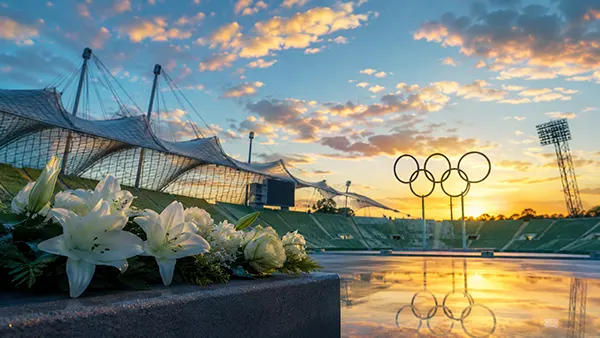
The 1972 Summer Olympics in Munich were intended to symbolise a new, peaceful image of Germany and showcase international unity through sport. Instead, the Games became associated with one of the most devastating terrorist attacks in sporting history. The events of September 1972 shocked audiences around the world, exposed major security weaknesses, and led to lasting changes in how international sporting competitions are protected. More than five decades later, the lessons learned in Munich continue to influence security planning for Olympic Games, World Cups, and other major sporting events.
The Munich Olympics and the Attack on the Israeli Team
When Munich was selected to host the 1972 Summer Olympics, organisers aimed to create what they described as the “Happy Games.” Security measures were intentionally kept discreet to avoid reminders of the heavily militarised atmosphere associated with the 1936 Berlin Olympics. Athletes and visitors could move relatively freely around the Olympic Village, and visible police presence was limited.
During the early hours of 5 September 1972, eight members of the Palestinian militant organisation Black September entered the Olympic Village by climbing a perimeter fence. Their target was the accommodation used by the Israeli Olympic delegation. The attackers killed two members of the team and took nine others hostage.
The hostage crisis quickly became a global news event. Television broadcasts transmitted developments live to millions of viewers, creating unprecedented international attention. Negotiations continued throughout the day as German authorities attempted to secure the release of the hostages without escalating the situation.
The Failed Rescue Operation at Fürstenfeldbruck
German officials eventually agreed to transport the terrorists and hostages to Fürstenfeldbruck Air Base near Munich, where a rescue operation was planned. Authorities hoped to neutralise the attackers before they could leave Germany.
The operation suffered from numerous planning failures. Police officers assigned as snipers lacked specialised counter-terrorism training, communication between teams was inadequate, and intelligence regarding the number of attackers proved inaccurate. As events unfolded, the rescue attempt quickly deteriorated.
By the end of the confrontation, all nine remaining Israeli hostages had been killed. A German police officer also lost his life, while several terrorists were killed during the exchange of fire. The tragedy exposed serious shortcomings in crisis management and security preparedness.
Global Reactions and the Impact on International Sport
News of the attack generated widespread shock and grief across the world. Governments, sports organisations, athletes, and spectators struggled to comprehend how an event dedicated to peaceful competition could become the scene of a terrorist attack.
The International Olympic Committee faced intense pressure regarding whether the Games should continue. After a memorial ceremony honouring the victims, officials decided to resume competition. The decision remains one of the most debated moments in Olympic history.
For many countries, Munich became a turning point in understanding the security risks associated with high-profile international gatherings. Sporting events were no longer viewed solely as celebrations of athletic achievement; they were also recognised as potential targets for politically motivated violence.
The Creation of New Counter-Terrorism Approaches
One of the most significant consequences of the Munich tragedy was the establishment of specialised counter-terrorism units. In Germany, the attack directly influenced the creation of GSG 9 in 1973, an elite police force trained specifically for hostage rescue and anti-terrorism operations.
Other countries reviewed their own security structures and emergency response procedures. Intelligence sharing between governments became increasingly important, particularly when international events attracted large numbers of visitors from around the world.
The attack also accelerated the development of crisis-management protocols. Event organisers began creating detailed contingency plans covering evacuation procedures, hostage situations, communication strategies, and cooperation between local and national authorities.
How Munich 1972 Continues to Shape Modern Event Security
Security planning for major sporting competitions in 2026 differs dramatically from the arrangements seen in Munich in 1972. Modern organisers rely on extensive risk assessments conducted years before an event begins, involving security experts, intelligence agencies, and law-enforcement organisations.
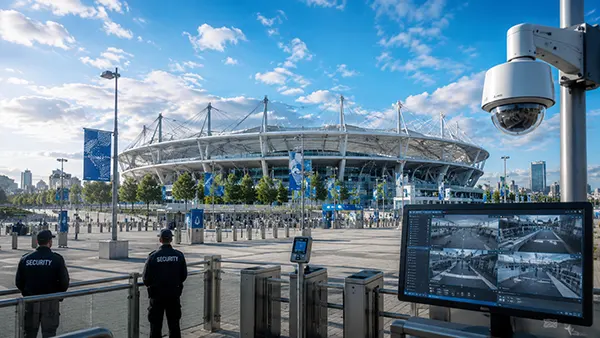
Olympic Games, FIFA World Cups, and other international tournaments now employ multiple layers of protection. These include accreditation systems, surveillance networks, controlled access points, cybersecurity monitoring, and specialised emergency-response teams positioned throughout venues.
Technology has become an essential component of event security. Artificial intelligence, facial-recognition systems where legally permitted, drone monitoring, and advanced data analysis tools help authorities identify potential threats before they develop into active incidents.
The Lasting Legacy of the Munich Tragedy
The victims of the Munich attack remain central to discussions about Olympic history and sports security. Memorial initiatives, educational programmes, and official commemorations continue to ensure that the events of September 1972 are not forgotten.
Historians widely regard the tragedy as a defining moment in the relationship between global sport and international security. It demonstrated that even events designed to promote peace and cooperation could become targets for geopolitical conflict.
More than fifty years later, every major sporting event still reflects lessons learned from Munich. The security procedures that protect athletes, spectators, officials, and journalists today are part of a legacy created in response to one of the darkest moments in Olympic history.