


Black Sox Scandal of 1919: How a Fixed World Series Changed Sports Betting Forever
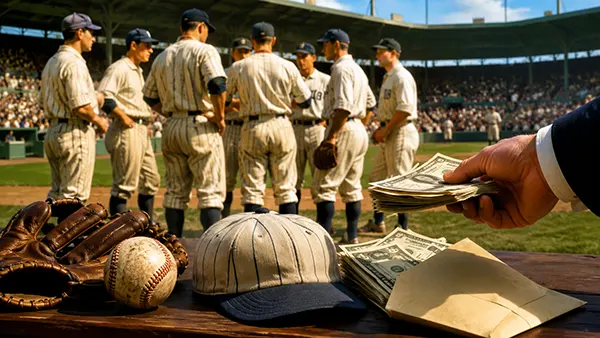
The 1919 Black Sox scandal remains one of the most controversial moments in the history of professional sport. More than a century later, the case still influences discussions about match-fixing, betting regulations, player integrity, and public trust in competitive leagues. The scandal centred around eight Chicago White Sox baseball players accused of intentionally losing the 1919 World Series against the Cincinnati Reds in exchange for payments from gambling syndicates. Although baseball in the United States was already highly popular at the time, the revelations surrounding the fixed final created shockwaves far beyond the sport itself. The scandal exposed the growing influence of illegal bookmakers, weaknesses in sports governance, and the financial frustrations experienced by professional athletes during the early twentieth century.
How the 1919 World Series Became the Centre of a Betting Conspiracy
At the beginning of the twentieth century, baseball was considered America’s national pastime, attracting huge crowds and newspaper attention across the country. The Chicago White Sox entered the 1919 World Series as favourites due to their strong roster and impressive performances throughout the season. However, despite their reputation, several players were dissatisfied with club owner Charles Comiskey, whose strict financial policies had created resentment within the dressing room. Salaries were relatively low compared to the revenues generated by the sport, and players had limited contractual freedom under baseball’s reserve clause system.
According to historical investigations and court testimonies, gamblers connected to organised betting groups approached members of the White Sox before the series began. The proposal involved intentionally underperforming during key games in exchange for cash payments. First baseman Arnold “Chick” Gandil became one of the central figures accused of arranging meetings between players and gambling intermediaries. Reports from the period suggest that several players initially agreed to participate because they doubted they would receive fair treatment or financial security from club management.
The suspicious nature of the games quickly attracted attention from journalists and spectators. Uncharacteristic mistakes, poor pitching decisions, and unusual betting activity raised concerns among bookmakers and baseball observers. Cincinnati eventually won the series five games to three, but rumours about manipulation continued to spread for months. Public suspicion intensified when journalists uncovered connections between gamblers and certain White Sox players, leading to one of the largest integrity investigations in sports history.
The Role of Illegal Bookmakers in Early Twentieth-Century Baseball
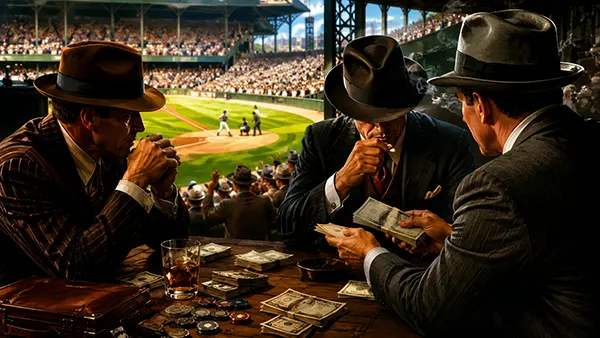
Sports betting in the United States during the 1910s operated largely through illegal networks rather than regulated markets. Bookmakers often worked closely with criminal organisations that controlled gambling operations in major cities such as Chicago and New York. Because there was little oversight, influential gambling figures could move large amounts of money on sporting events without attracting immediate legal scrutiny.
The 1919 World Series became particularly attractive for betting syndicates due to baseball’s popularity and the possibility of manipulating individual performances. Unlike some team sports where one participant has limited influence, baseball players in key positions could significantly alter the outcome of matches through deliberate errors or strategic underperformance. Pitchers, fielders, and hitters all possessed opportunities to affect results without making the manipulation immediately obvious to fans.
Historians also note that communication systems and statistical analysis were far less advanced than today. Modern integrity monitoring systems, betting data tracking, and digital surveillance did not exist. This created an environment where suspicious betting patterns could develop without rapid intervention. The Black Sox scandal highlighted how vulnerable professional sport could become when gambling interests operated without effective regulation or independent oversight.
The Investigation, Court Case, and Lifetime Bans
As rumours intensified throughout 1920, pressure grew on baseball authorities to respond publicly. Journalists continued publishing allegations, while a grand jury investigation in Chicago gathered testimony from players, gamblers, and witnesses connected to the case. Several White Sox players eventually admitted involvement during early interrogations, although many later changed their statements or claimed coercion.
The legal proceedings attracted enormous national attention because the scandal threatened the credibility of professional baseball itself. Fans questioned whether sporting outcomes could be trusted, while newspapers debated whether corruption had become widespread throughout the league. The situation became so serious that baseball owners feared long-term damage to attendance figures and commercial revenues.
Although the players were acquitted in criminal court in 1921 due to insufficient evidence and missing confessions, the sport’s leadership decided that preserving public trust required stronger action. Newly appointed baseball commissioner Kenesaw Mountain Landis imposed lifetime bans on all eight accused players regardless of the court verdict. His decision established a strict precedent: any participant connected to gambling activity that threatened the integrity of matches would face permanent exclusion from professional baseball.
Why the Black Sox Case Changed Sports Governance
One of the most significant consequences of the scandal was the creation of stronger central authority within professional sports organisations. Before the controversy, baseball lacked a powerful independent commissioner capable of enforcing league-wide discipline. Club owners often disagreed with one another, and disciplinary procedures were inconsistent across teams and competitions.
Landis used the Black Sox case to demonstrate that protecting competitive integrity would become the sport’s highest priority. His uncompromising approach reassured many supporters that baseball intended to rebuild credibility after the scandal. The commissioner system later influenced governance structures in numerous sports leagues around the world, including football, basketball, hockey, and cricket.
The scandal also transformed attitudes towards player conduct and external betting relationships. Athletes became subject to stricter behavioural expectations, while leagues introduced formal regulations restricting gambling involvement. Over time, sports organisations recognised that maintaining public confidence depended not only on athletic performance but also on transparency, ethical standards, and clear disciplinary frameworks.
The Lasting Influence on Modern Sports Betting and Integrity Policies
Even in 2026, the Black Sox scandal continues to shape discussions surrounding sports betting regulation and match integrity. Modern bookmakers, sports federations, and government regulators frequently reference historical fixing cases when designing anti-corruption systems. Today’s betting industry operates in a far more monitored environment, with sophisticated technology capable of detecting unusual wagering activity in real time.
Many international sports organisations now cooperate directly with betting monitoring companies to identify suspicious market movements before major events conclude. Artificial intelligence systems analyse betting volumes, odds fluctuations, and geographical wagering patterns to detect potential manipulation attempts. These tools are used across football, tennis, cricket, basketball, and esports competitions worldwide.
The scandal also remains relevant because financial pressures and gambling incentives continue to exist in professional sport. Although athletes now generally receive far higher salaries than players in 1919, integrity risks still emerge when criminal betting networks target vulnerable participants. Cases involving spot-fixing, illegal betting, and insider information periodically appear across global sport, proving that the core issues exposed by the Black Sox controversy have not disappeared entirely.
How Modern Leagues Protect Sport from Match-Fixing
Professional sports organisations now invest heavily in integrity education programmes aimed at players, coaches, referees, and club staff. Athletes are regularly trained to recognise suspicious approaches from gamblers or criminal intermediaries. Many leagues also require mandatory reporting if participants receive offers related to manipulating results or sharing confidential information.
Regulated betting operators have also become active participants in integrity protection. Licensed bookmakers often cooperate with authorities by reporting irregular betting behaviour, frozen accounts, or suspicious transactions linked to sporting events. International partnerships between betting companies and sports governing bodies have become increasingly common during the 2020s.
The legacy of the Black Sox scandal ultimately extends far beyond baseball history. It demonstrated that sport depends heavily on public trust and that even a single manipulated championship can damage an entire competition’s reputation for decades. More than one hundred years later, the 1919 World Series remains a powerful reminder of why transparency, regulation, and accountability continue to play a central role in professional sport and sports betting governance.