


How Sports Photography Reshaped the Perception of Iconic 20th Century Moments
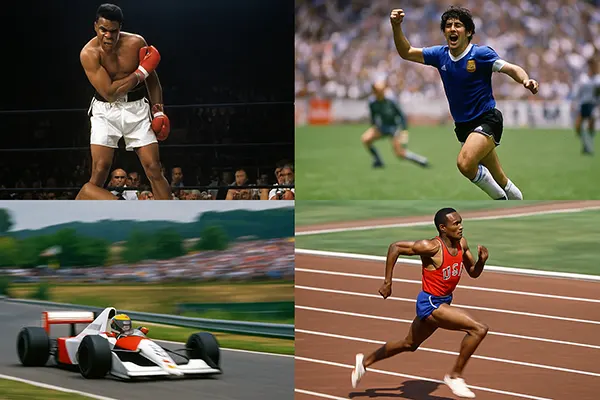
Throughout the twentieth century, sport became one of the most visible elements of global culture. While results and statistics shaped official records, it was photography that defined how legendary moments were remembered. A single image could elevate an athlete into a symbol, transform a match into a historical event, or reflect the social tensions of its era. Sports photography did more than document action; it influenced how audiences interpreted competition, heroism, and even national identity.
Boxing Images That Defined Power and Vulnerability
Few sports generated images as emotionally charged as boxing. The photograph of Muhammad Ali standing over Sonny Liston in 1965 became one of the most reproduced sports images of the century. Captured by Neil Leifer, the frame froze a moment of dominance, defiance, and psychological warfare. For many viewers, the image came to represent Ali’s persona more strongly than the fight itself.
Another defining image emerged from the 1974 “Rumble in the Jungle”. Ali leaning against the ropes while George Foreman attacked became a visual shorthand for strategy and endurance. The photograph reframed the bout from a physical contest into a mental chess match, helping audiences understand Ali’s tactical brilliance without needing technical boxing knowledge.
These images influenced how boxing was discussed in the media. Fighters were no longer viewed only through wins and losses but through narratives of resilience, rebellion, and vulnerability. Photography allowed the public to see the human cost and emotional intensity behind professional combat.
How Media Turned Boxing Photos into Cultural Symbols
Print newspapers and sports magazines played a decisive role in elevating boxing photographs beyond the sports pages. Covers of publications such as Sports Illustrated placed these images into mainstream cultural circulation, where they reached readers who may never have watched the matches.
Editors often selected frames that emphasised emotion rather than technical execution. A raised fist, a fallen opponent, or a bloodied face communicated clear meaning without explanation. These editorial choices helped fix specific interpretations of fighters in the public consciousness.
Over time, repeated publication transformed individual photographs into historical reference points. They became visual evidence not just of sporting achievement, but of broader themes such as racial identity, political defiance, and personal sacrifice.
Football Photography and the Construction of Collective Memory
Football’s global reach meant that certain images became shared reference points across countries and generations. One of the most influential examples is the photograph of Diego Maradona celebrating after scoring against England in the 1986 World Cup. While the controversy of the “Hand of God” goal required explanation, the image of Maradona’s raised arms fixed the moment as one of triumph rather than dispute.
Similarly, images from the 1966 World Cup final showing Geoff Hurst’s goal-line shot shaped decades of debate. The still frame, reproduced endlessly, became central to England’s sporting identity, reinforcing a sense of legitimacy regardless of ongoing discussion.
Football photography simplified complex matches into recognisable symbols. A single image could summarise national pride, heartbreak, or redemption, allowing audiences to emotionally reconnect with events long after the final whistle.
The Role of Press Photography in Myth-Making
Photojournalists working at major tournaments understood the importance of anticipation and positioning. The decisive moments often lasted fractions of a second, yet the right angle could turn a goal into a timeless image.
Media outlets favoured photographs that supported broader narratives. Victories were framed as heroic, defeats as tragic, and controversial moments as dramatic turning points. This selective framing influenced how future generations interpreted events they had not witnessed live.
As football coverage expanded globally, these images crossed borders and cultures. They contributed to the creation of universally recognised football myths, independent of language or commentary.
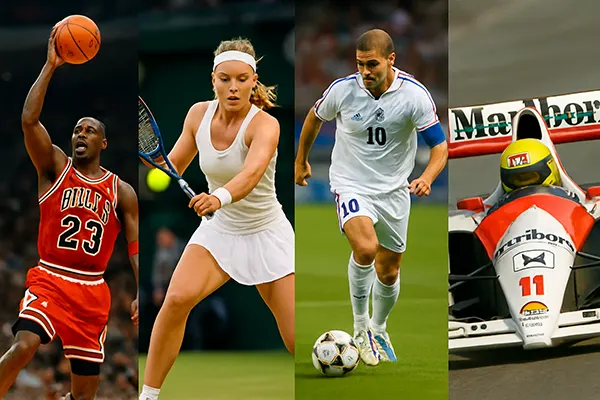
Motorsport and the Visualisation of Speed and Risk
Motorsport photography faced the challenge of capturing speed within a static frame. Images from Formula One in the 1960s and 1970s often focused on blurred backgrounds, exposed drivers, and minimal safety barriers. These photographs communicated danger and bravery more effectively than written reports.
The death of Ayrton Senna in 1994 marked a turning point in how motorsport was visually represented. Photographs from that weekend became symbols of vulnerability within a highly technical sport, shifting public discussion toward safety and responsibility.
Through repeated exposure, motorsport images shaped expectations of what racing represented. Speed was inseparable from risk, and heroism was closely linked to survival as much as victory.
From Spectacle to Reflection in Motorsport Imagery
Early motorsport photography prioritised spectacle, often placing cars against dramatic backdrops to emphasise velocity. These images supported the perception of racing as a test of courage rather than engineering.
As media standards evolved, photographers began to focus more on drivers’ expressions and moments off the track. Helmets removed, faces exhausted, and hands shaking after races added emotional depth to the sport.
By the late twentieth century, motorsport photography contributed to policy change. Graphic images of accidents influenced public opinion and regulatory reform, demonstrating photography’s power to shape not just memory, but action.