


The First World Series of Poker in 1970: How Seven Players Voted for a Champion
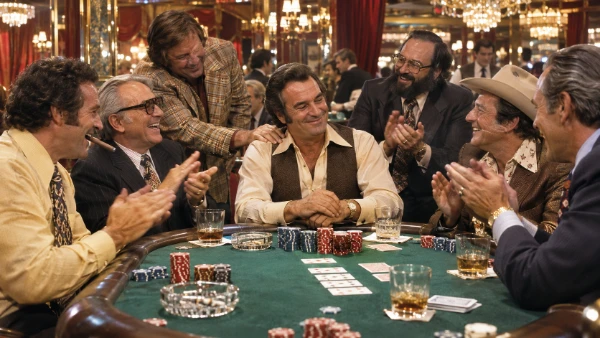
The World Series of Poker began in 1970 with seven invited players, a series of cash games and an unusual way of choosing a winner. There was no final hand to decide the title. Instead, the players voted for the person they considered the strongest at the table. That decision made Johnny Moss the first champion and gave poker an annual event that would eventually attract thousands of entrants.
How the First World Series of Poker Began
Benny Binion organised the gathering at Binion’s Horseshoe in downtown Las Vegas. His idea was to bring respected professionals together and give the game a recognised champion. It was a modest occasion compared with today’s tournaments, but the guest list included some of the best-known names in American poker.
The seven participants were Johnny Moss, Doyle Brunson, Thomas “Amarillo Slim” Preston, Bryan “Sailor” Roberts, Walter “Puggy” Pearson, Crandell Addington and Carl Cannon. They were experienced players accustomed to making decisions with real money at stake.
Readers exploring poker’s history may also encounter modern casino sites, including Nolimitway, where poker appears alongside other casino games. The distinction is important: the 1970 gathering involved professional cash-game players, rather than a structured online competition with scheduled eliminations.
Why Cash Games Came Before a Tournament
In a cash game, chips represent money and players can normally leave or return under the house rules. A tournament works differently: entrants compete with tournament chips until a winner remains. The first WSOP followed the cash-game approach, so there was no single elimination sequence to establish an official finishing order.
Accounts of the early event describe several poker variants being played, rather than the modern Main Event format alone. No-limit hold’em was part of the action, but the wider gathering reflected a period when professionals were expected to know more than one game.
Binion wanted a name that could represent the occasion. Asking the participants to judge one another provided an answer, even if it was hardly a method that could settle every disagreement. The solution produced one of poker’s most repeated stories.
How Seven Players Chose Johnny Moss
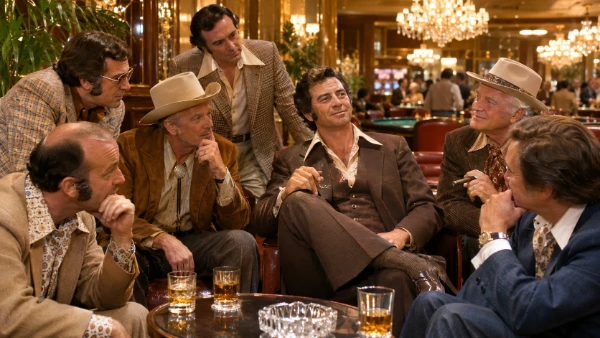
According to the official WSOP history, each of the seven players initially voted for himself. A vote intended to identify the best competitor had therefore produced no clear winner. The organisers changed the question, asking players to identify the second-best player instead.
Johnny Moss emerged from that second ballot as champion. The vote was a judgement of his standing among peers rather than proof that he had won the most chips in a final hand. He received a silver cup, not the gold bracelet now associated with WSOP victories.
Moss was already a respected Texas poker veteran, known for his long experience in high-stakes games. His selection made sense to fellow professionals, though the famous voting account is usually presented as a story passed down from the event rather than a surviving set of individual ballots.
What Changed After the Unusual First Year
For 1971, the WSOP adopted freezeout tournaments, in which players were eliminated when they lost their chips. Moss won the Main Event again, this time by tournament results. Six players entered, and the champion received $30,000, making the difference from the inaugural silver cup unmistakable.
The Main Event buy-in subsequently rose to $10,000 in 1972. As the event developed, winning depended on surviving the field rather than convincing opponents to vote for you. Moss added another Main Event victory in 1974, securing three titles across two different ways of selecting a champion.
The original seven-player gathering remains distinctive because it captures poker before the WSOP had established its familiar rules and ceremonies. The vote did not resemble a modern final table, but it helped turn a small meeting of professionals into the starting point of an enduring competition.